
Busting Barbecue Myths: What You Really Need to Know
AA
The Myth of the Perfect Grill Marks
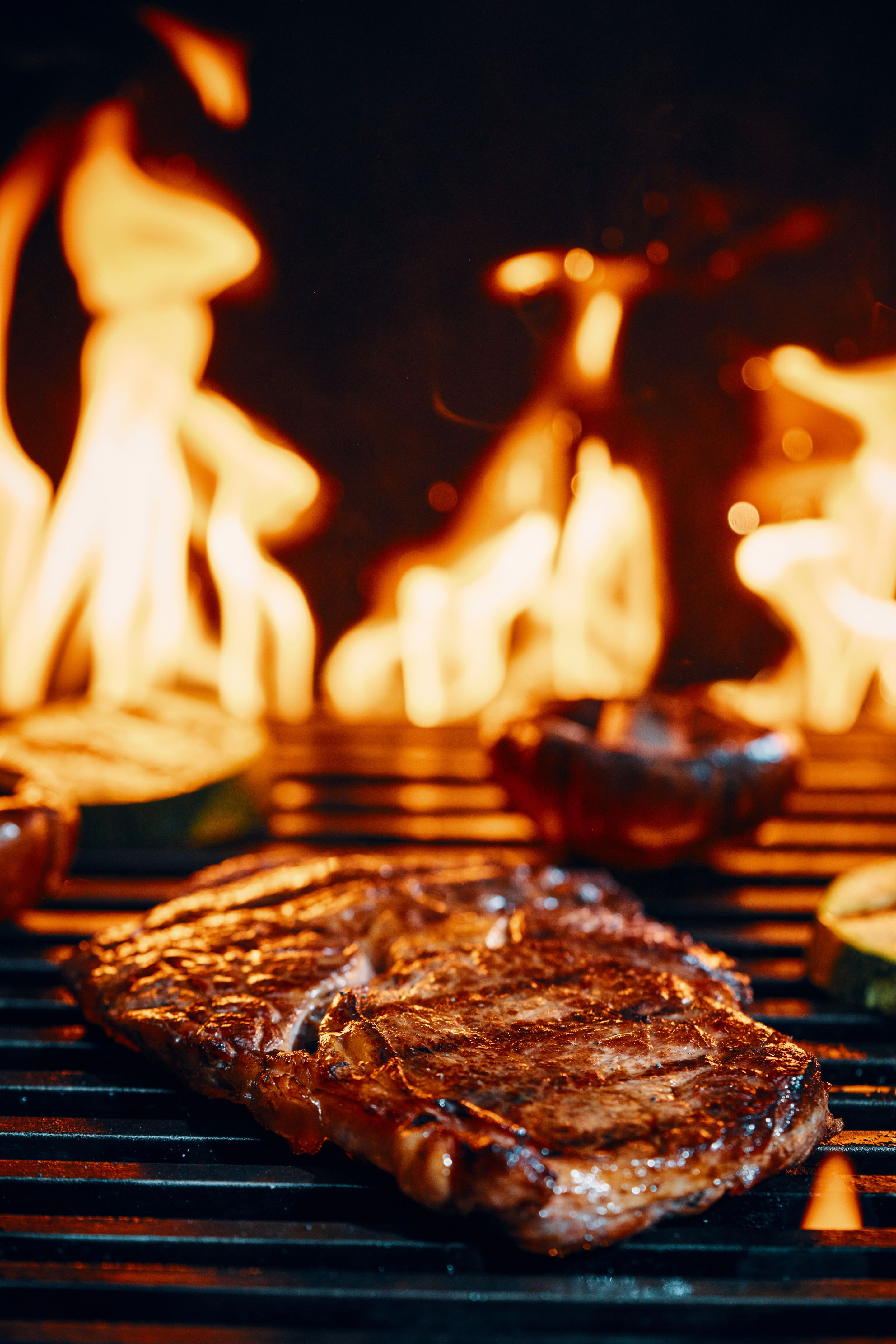
Many barbecue enthusiasts believe that perfect grill marks are the hallmark of expertly grilled meat. While they do add a nice aesthetic touch, grill marks are not the ultimate indicator of flavor. The focus should be on achieving an even sear across the surface to enhance the Maillard reaction, which creates a richer taste.
Instead of concentrating solely on grill marks, aim for a consistent crust. This can be achieved by flipping the meat more frequently and ensuring it remains in contact with the heat source for optimal caramelization.
The Truth About Marinating
Marinades are often touted as the secret to flavor-infused meats. However, the science behind marinades suggests they primarily affect the surface. The penetration is minimal, especially for thicker cuts, making it more about enhancing surface flavor and texture.
For deeper flavor, consider using brines or injecting marinades directly into the meat. This allows for a more uniform distribution of flavors throughout the cut.
Smoke Rings: Are They Necessary?
Smoke rings are often seen as a badge of honor among pitmasters. However, they are purely aesthetic and do not contribute to the flavor. A smoke ring is formed by a chemical reaction between the smoke and the meat, but it doesn't affect taste.
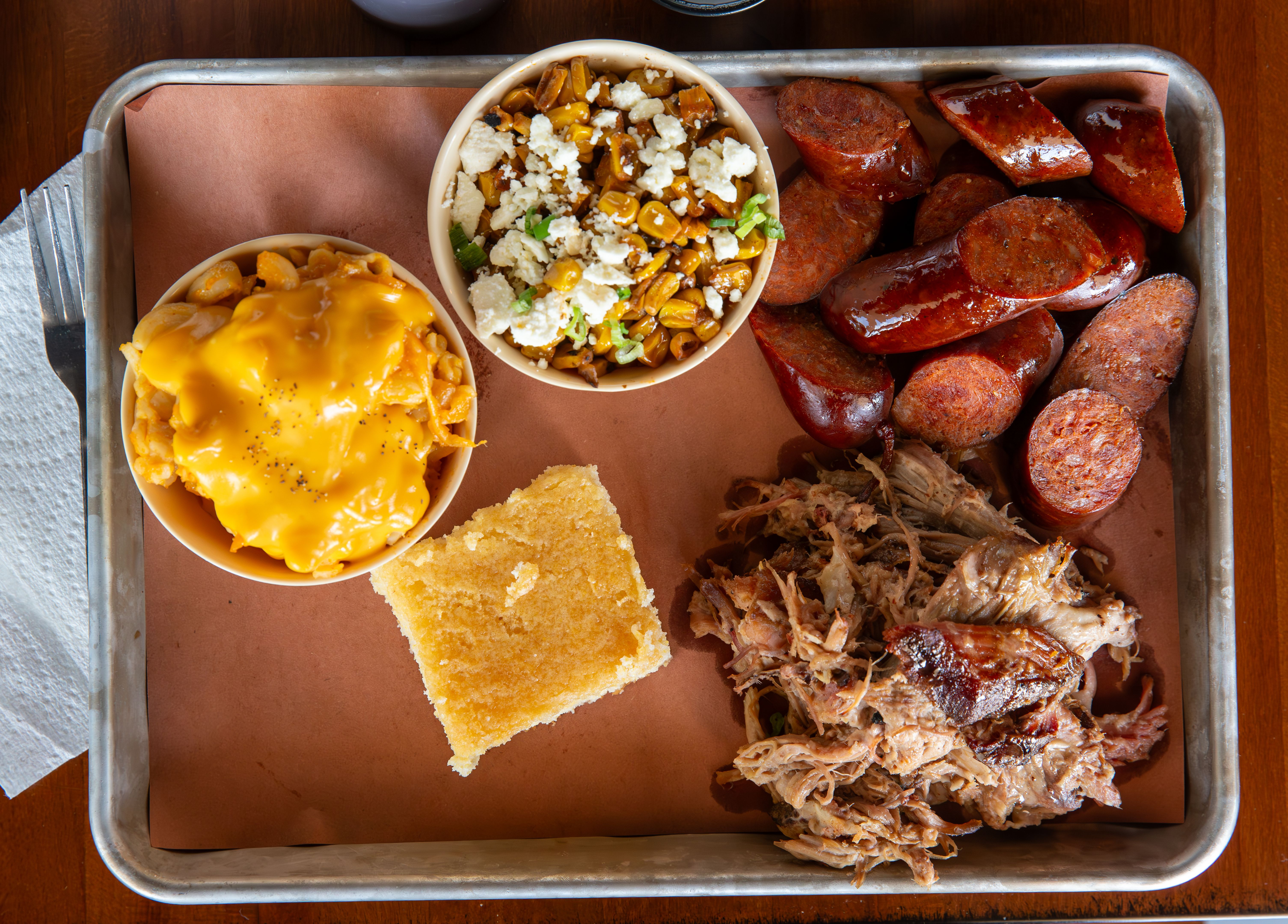
Focus instead on the overall smoke flavor and tenderness of the meat. Proper smoking techniques and wood choice are far more critical to achieving a delicious barbecue.
Gas vs. Charcoal: The Endless Debate
The debate between gas and charcoal grilling is ongoing. Both have their merits, and the choice often boils down to personal preference. Charcoal grills tend to impart a smoky flavor, while gas grills offer convenience and precise temperature control.
For those who prefer a balance, consider using a hybrid grill or adding wood chips to a gas grill to enhance flavor. Ultimately, the best grill is the one that suits your cooking style and meets your needs.
Resting Meat: Essential or Overrated?
Resting meat after cooking is a widely recommended practice. The idea is that it allows juices to redistribute, resulting in a juicier final product. However, the impact of resting can vary based on the cut and cooking method.
For smaller cuts, the difference may be negligible, while larger cuts like brisket can benefit significantly. Experiment to find what works best for you, but don't stress over it too much.
Wrapping Up
Barbecue is as much about personal enjoyment as it is about technique. By understanding these common myths, you can focus on what truly matters: creating delicious, flavorful meals that bring people together. Remember, the best barbecue is the one you enjoy making and sharing with loved ones.