
DIY BBQ Sauce: Common Mistakes and How to Avoid Them
AA
Understanding the Basics of BBQ Sauce
Creating your own BBQ sauce can elevate your grilling game, adding a personal touch to your backyard feasts. However, many DIY enthusiasts encounter common pitfalls in the process. Understanding the basic components of BBQ sauce is crucial. Typically, a BBQ sauce consists of a balance of sweet, tangy, and spicy elements.
Choosing the Right Base
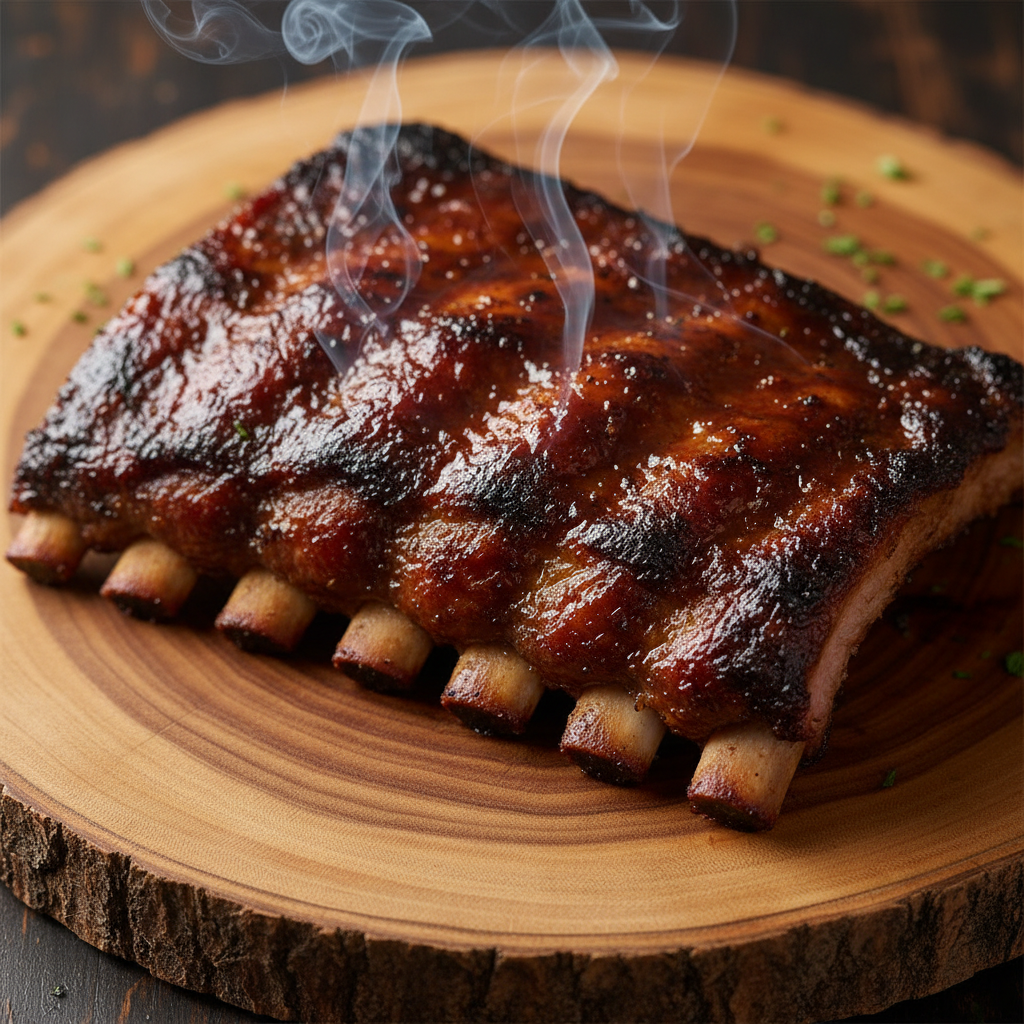
The base of your BBQ sauce sets the foundation for its flavor. Common bases include tomato sauce, vinegar, or mustard. A frequent mistake is not considering how the base will interact with other ingredients. Tomato-based sauces pair well with sweet and smoky flavors, while vinegar bases are ideal for tangy profiles. Make sure the base complements your desired outcome.
Balancing Flavors
Achieving the right balance of flavors is often where DIYers go wrong. It's important not to overpower the sauce with any single element. For instance, adding too much sugar can make the sauce cloyingly sweet. Conversely, an excess of vinegar can result in a sauce that is too tart. Taste as you go and adjust the ingredients gradually.
Common Mistakes in Spice Selection
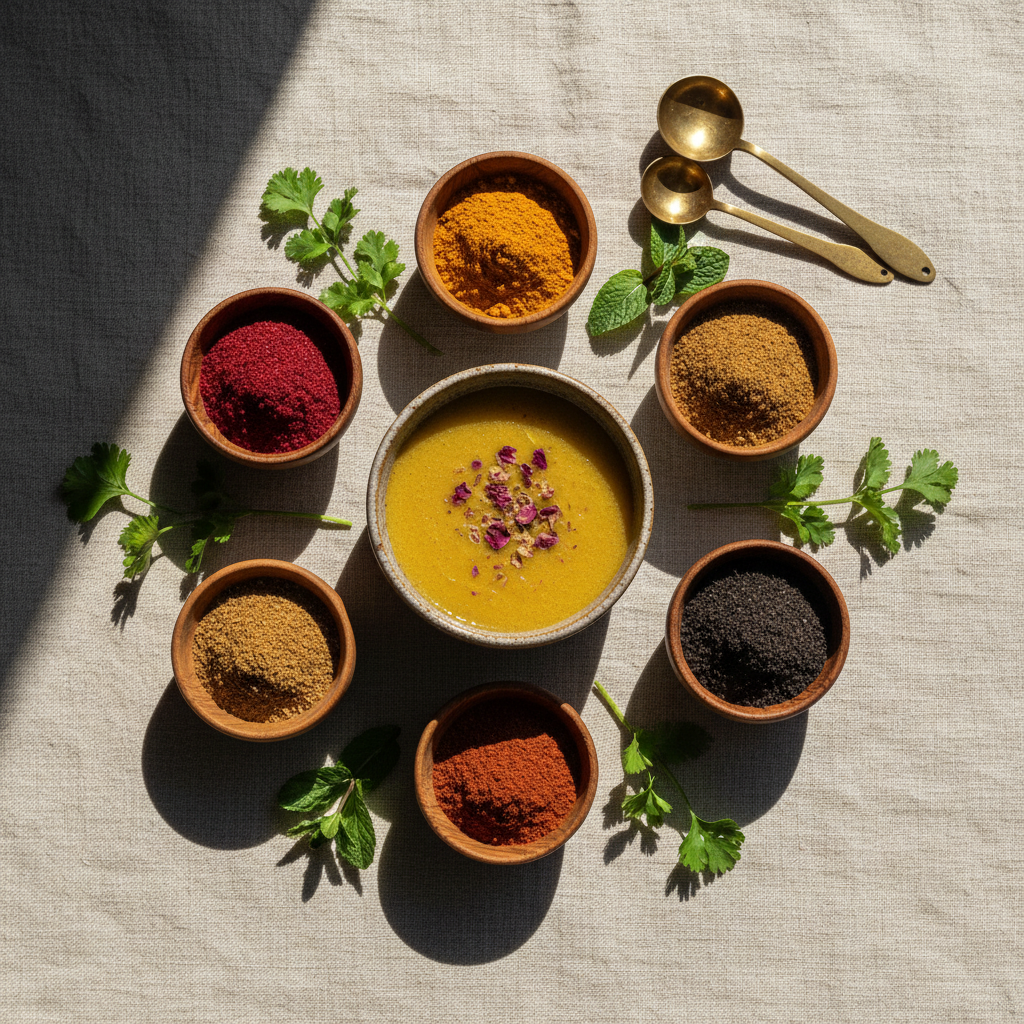
Spices are crucial for adding depth to your BBQ sauce. A common error is using too many different spices, which can create a muddled taste. Stick to a few key spices like paprika, cayenne, or black pepper, and ensure they complement each other. Another mistake is not considering the heat level. If you prefer a milder sauce, be conservative with spicy ingredients.
Cooking Techniques
The cooking process is another area where mistakes happen. Overcooking can lead to a sauce that is too thick or has a burnt taste. Always simmer your sauce on low heat and stir frequently. Under-cooking can leave flavors underdeveloped. Allocate enough time for the sauce to meld and mature, usually around 20-30 minutes.
Storage and Preservation
Improper storage of your homemade BBQ sauce can affect its flavor and shelf life. Ensure the sauce is cooled before transferring it to airtight containers. Store it in the refrigerator and consume it within a week for optimal freshness. For longer storage, consider canning techniques or freezing small portions.
Experimentation and Personalization
One of the joys of making your own BBQ sauce is the ability to experiment with flavors. Don't be afraid to adjust the recipe to suit your preferences. Whether you want a smoky chipotle kick or a hint of fruity sweetness, personalizing your sauce can make it truly unique. Just remember to document your changes to replicate successful batches.

By avoiding these common mistakes, you can craft a BBQ sauce that enhances your grilled dishes and impresses your guests. Happy grilling!